Ganghwa Island sits close enough to Seoul that the honest first question is not "where should I stay" but "should I stay at all." The island is roughly 70 to 90 minutes from central Seoul by car and a little longer by bus, which makes it a comfortable day trip for most of its sights. Staying overnight only pays off if you want to catch sunrise on Mani-san, linger over the tidal flats at low tide, or split a two-day itinerary across the north and south coasts without rushing. Below are the realistic options, compared on access, atmosphere, and price, followed by a straight answer on who should just sleep in Seoul instead.
Gwancheong-ri and Ganghwa-eup: the practical base
The island's main town, clustered around the old county seat, is the default choice if you do decide to stay. It has the highest concentration of guesthouses and small motels, a bus terminal, convenience stores, and restaurants that stay open past 8pm, which is not guaranteed elsewhere on the island. Expect to pay roughly 50,000 to 90,000 KRW a night for a simple room with ensuite bathroom, more for anything marketed as a pension with a view. This is the only area where arriving without a car and finding a room on the same day is realistic, since several buses from Seoul terminate here. Booking a day or two ahead is sensible on weekends from April to October; midweek in winter you can usually walk in. For a sense of what the terminal actually connects to, the practical day trip guide by bus lays out the routes in detail.
The Bugeun-ri and megalith coast: quiet, but car-dependent
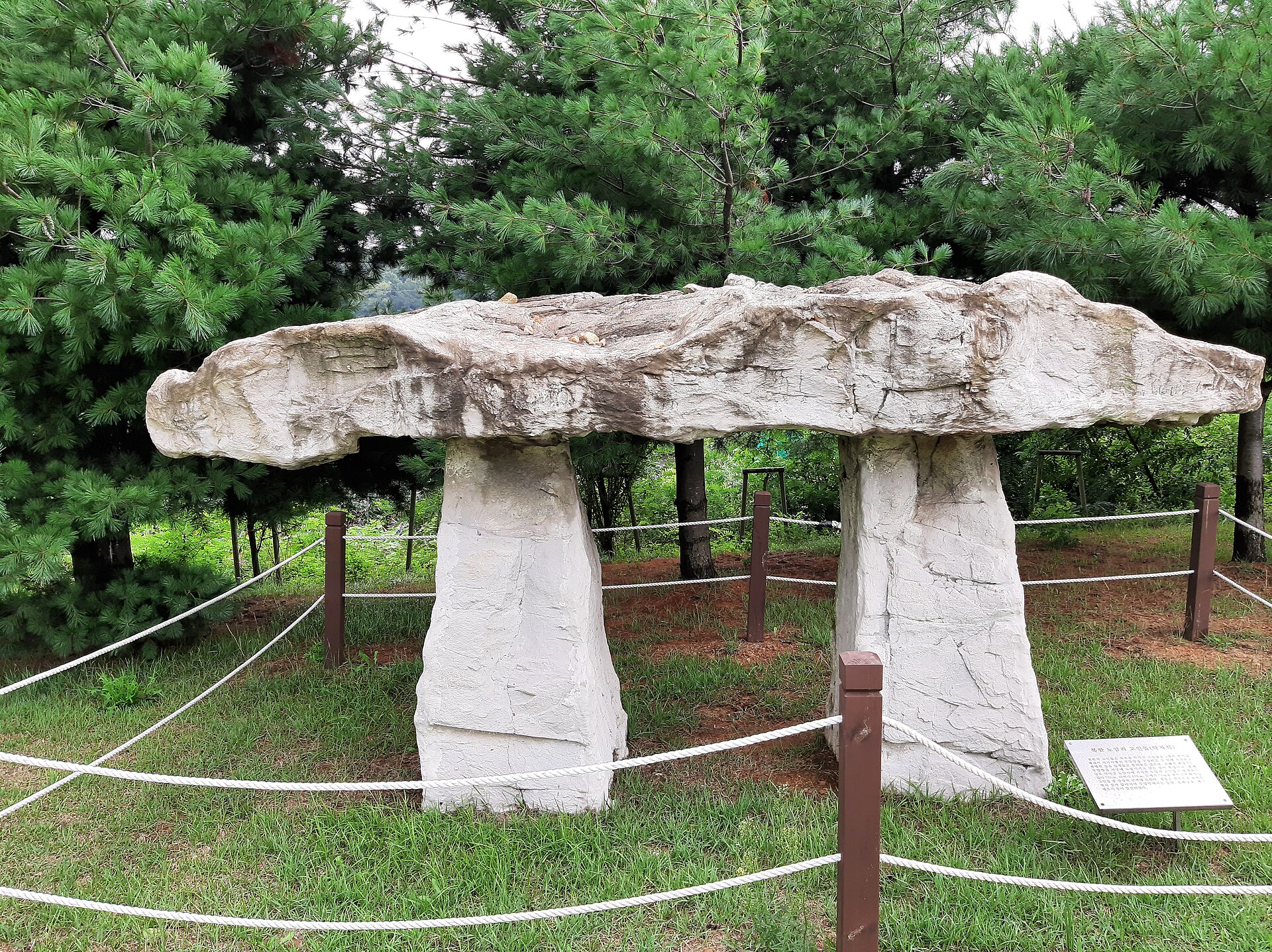
West of the town, near the UNESCO-listed dolmen sites, a scattering of guesthouses and farm-stay style pensions offer a genuinely quiet night, often with rice paddies or low hills outside the window. Prices run similar to Ganghwa-eup, around 60,000 to 100,000 KRW, sometimes higher for larger rooms that sleep four. The catch is transport: public buses out here run on a limited schedule, and after dark your options for food or a taxi back narrow quickly. This area suits travellers who already have a car or scooter and want to pair an evening visit to the dolmens with an early, uncrowded return the next morning. Details on the sites themselves are in the Bugeun-ri dolmen and megalith coast guide.
Near Mani-san: for the sunrise hikers
A handful of pensions sit close to the trailheads leading up to Chamseongdan, the altar said to date to Korea's foundation myth. If your plan is a pre-dawn start, sleeping within a 10 to 15 minute drive of the mountain saves a genuinely miserable 5am taxi search. Rooms here tend toward 70,000 to 120,000 KRW, and during the autumn hiking season (late September through November) the better-located ones fill up a week or more in advance. This is a narrow use case: unless sunrise from the altar is specifically on your list, there is little reason to base here over the county town. The full route and timing are covered in the Mani-san hike to Chamseongdan guide.
The north coast: accommodation is not really the point
Ganghwa's northern shoreline faces North Korea across a narrow stretch of water, and several observation points require a passport for identity checks before entry, sometimes with advance notice depending on the day's security posture. There is little to no tourist accommodation up here, and that is by design rather than oversight: this is a restricted border zone, not a resort coast. Plan the north coast as a half-day add-on from a base further south, not as a place to spend the night.
Weekends from late September to early November (hiking and foliage season) and any Saturday in July to August (mudflat and beach season) are when Ganghwa-eup and Mani-san-area rooms sell out first. Midweek, outside those windows, same-day arrival is usually fine.
Or just sleep in Seoul
For anyone doing the standard loop, which is dolmens, a temple, the fortress walls, and maybe a mudflat sunset, Seoul remains the more practical base. You keep access to a much wider range of food, transit, and accommodation prices, and the drive or bus ride out is short enough that an early departure still gets you to the island by mid-morning. This is effectively the default plan described in the Ganghwa loop day trip guide, and it works well for a single-day visit covering most of the island's highlights without needing to book anything on Ganghwa itself.
Picking the right option
If you have one day and no car, stay in Seoul and take the bus out early. If you have a car and two days, base in Ganghwa-eup and use it as a hub for the dolmens, the fortress temple, and the tidal flats. If sunrise at the foundation altar is the goal, book near Mani-san well ahead during autumn. If quiet matters more than convenience and you are driving anyway, the megalith coast pensions are worth the isolation. Nobody should plan to sleep on the north coast, and nobody not already fluent in the island's bus timetable should attempt a same-day arrival there expecting dinner options.