The dolmen builders
~150 TOMBS · UNESCO 2000
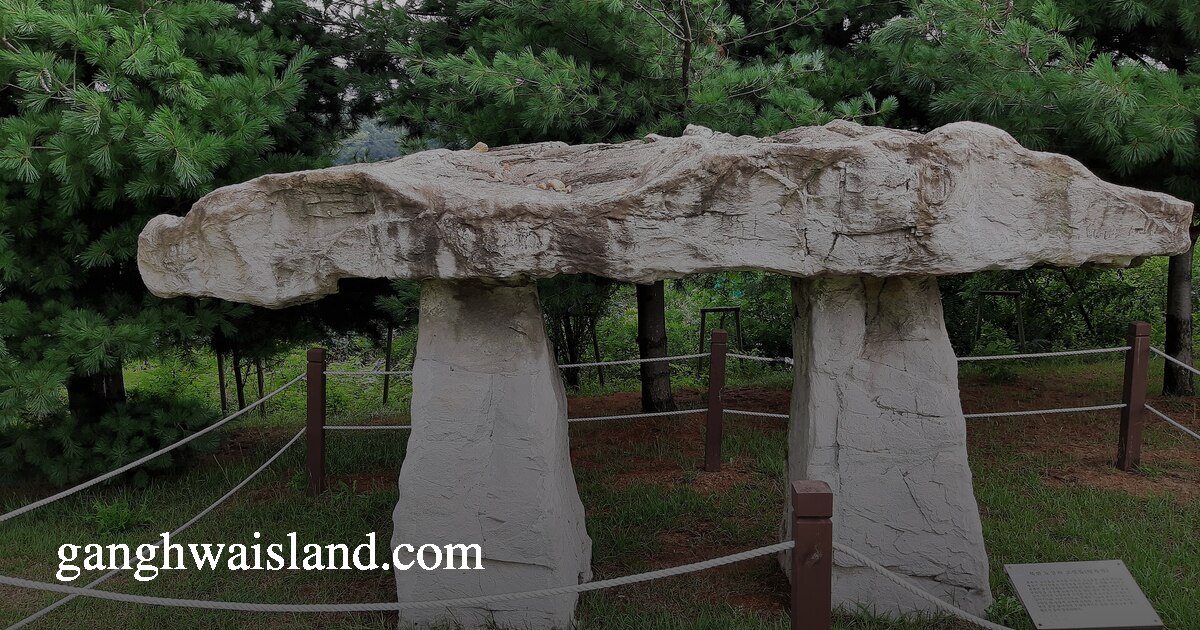
Chiefly tombs raised around 1000 BC, when moving fifty tonnes meant command of hundreds. The hills still hold dozens off every side road.
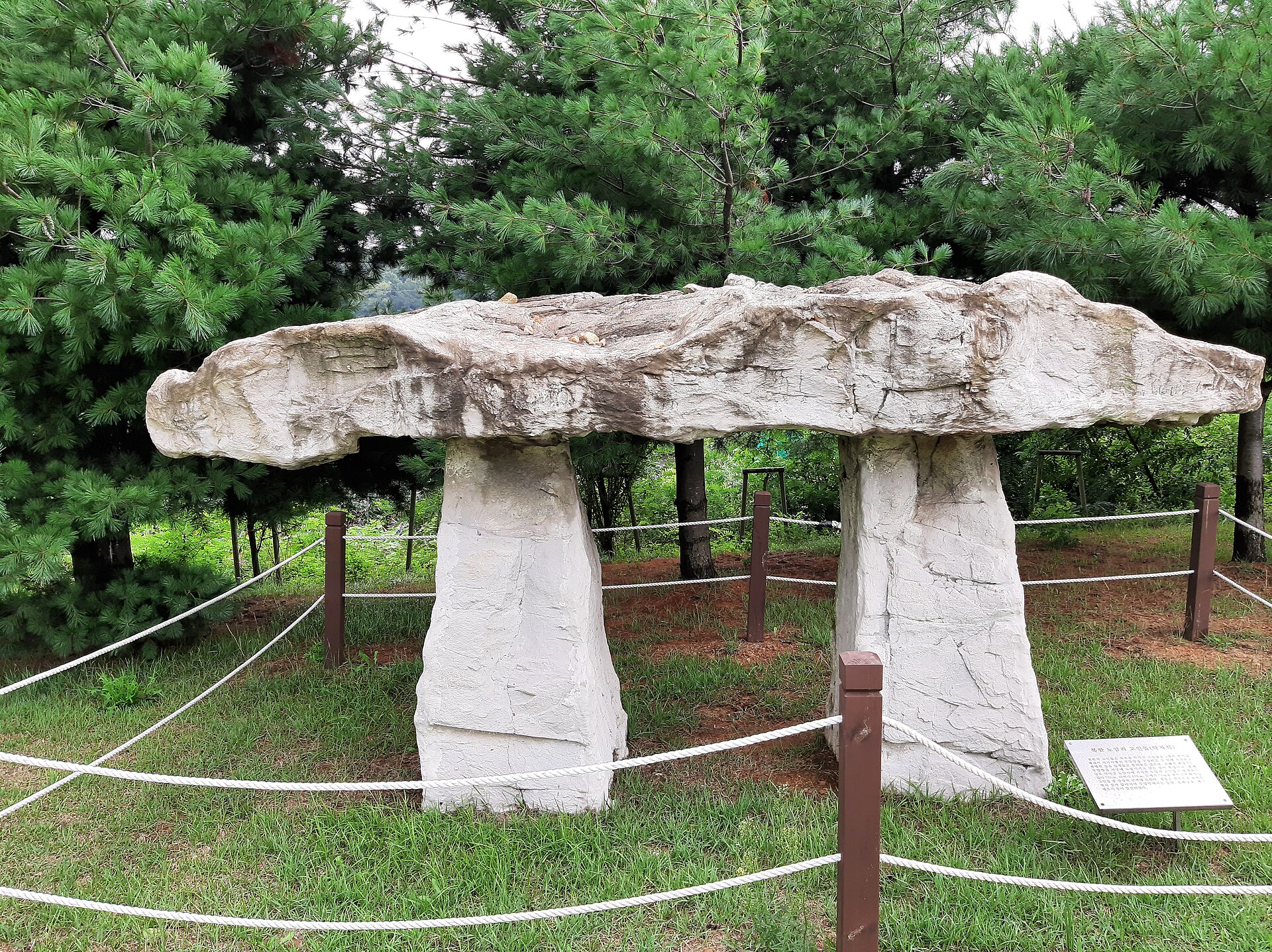
A fifty-tonne dolmen in a quiet field, a dynasty's refuge capital, forts that faced Western gunboats, and the altar of Korea's legendary founder, all one bridge from Seoul. Ganghwa is the capital's favorite history escape, and almost no foreign traveller knows it.
Ganghwa's sights scatter across a gentle island of rice fields and low peaks, which is exactly the charm. Rent wheels, draw the loop, and let five eras of Korea follow one another through the windscreen.
THE LOOP: DOLMEN → GANGHWA-EUP → JEONDEUNGSA → COASTAL FORTS · A FULL DAY, UNHURRIED
Fifty tonnes of capstone balanced by Bronze Age engineers, alone in a mown field. Northeast Asia's definitive dolmen, and you'll likely share it with magpies only.
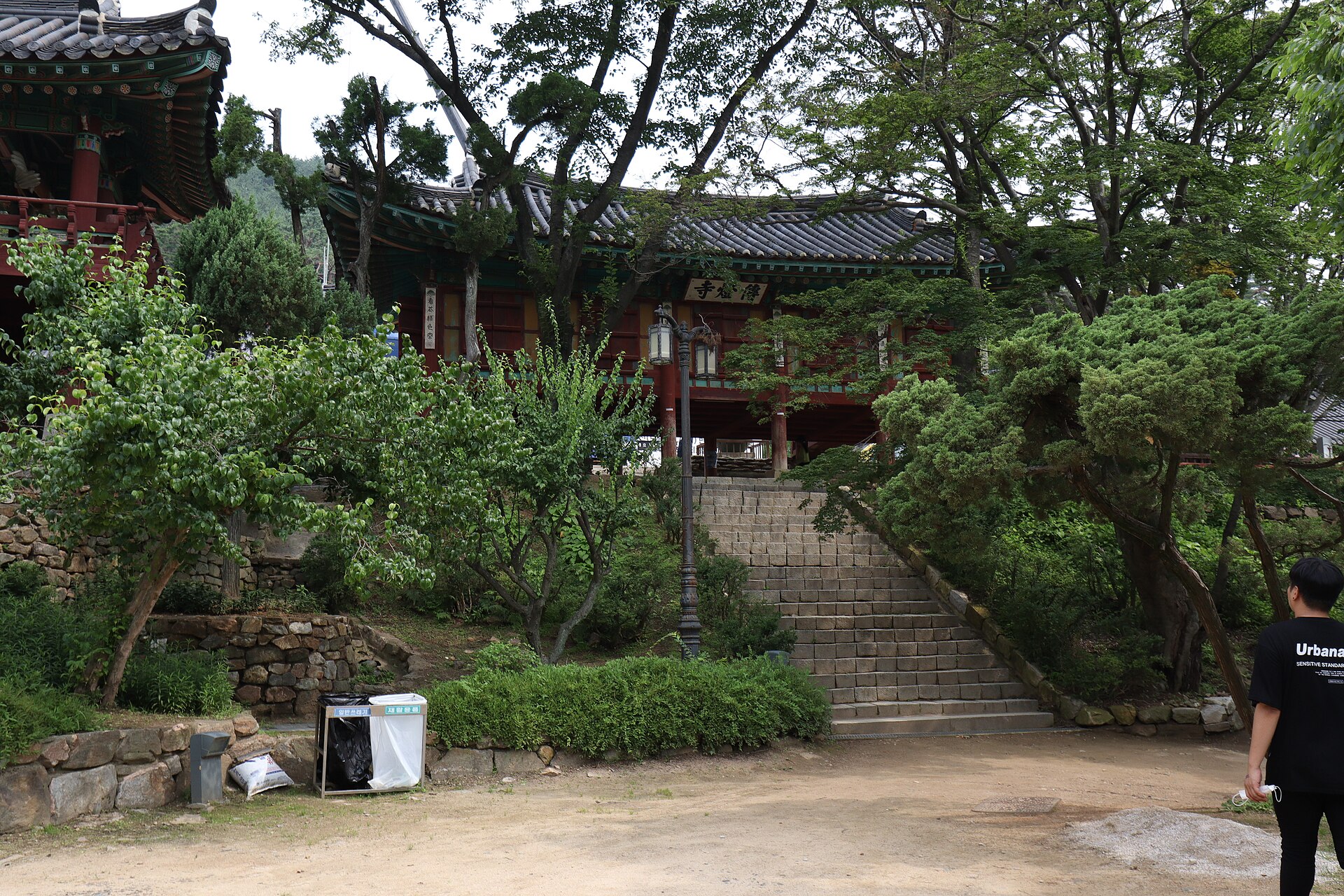
A mountain temple inside a fortress wall, guarding woodblocks and legends since the Goryeo kings, tea house included.
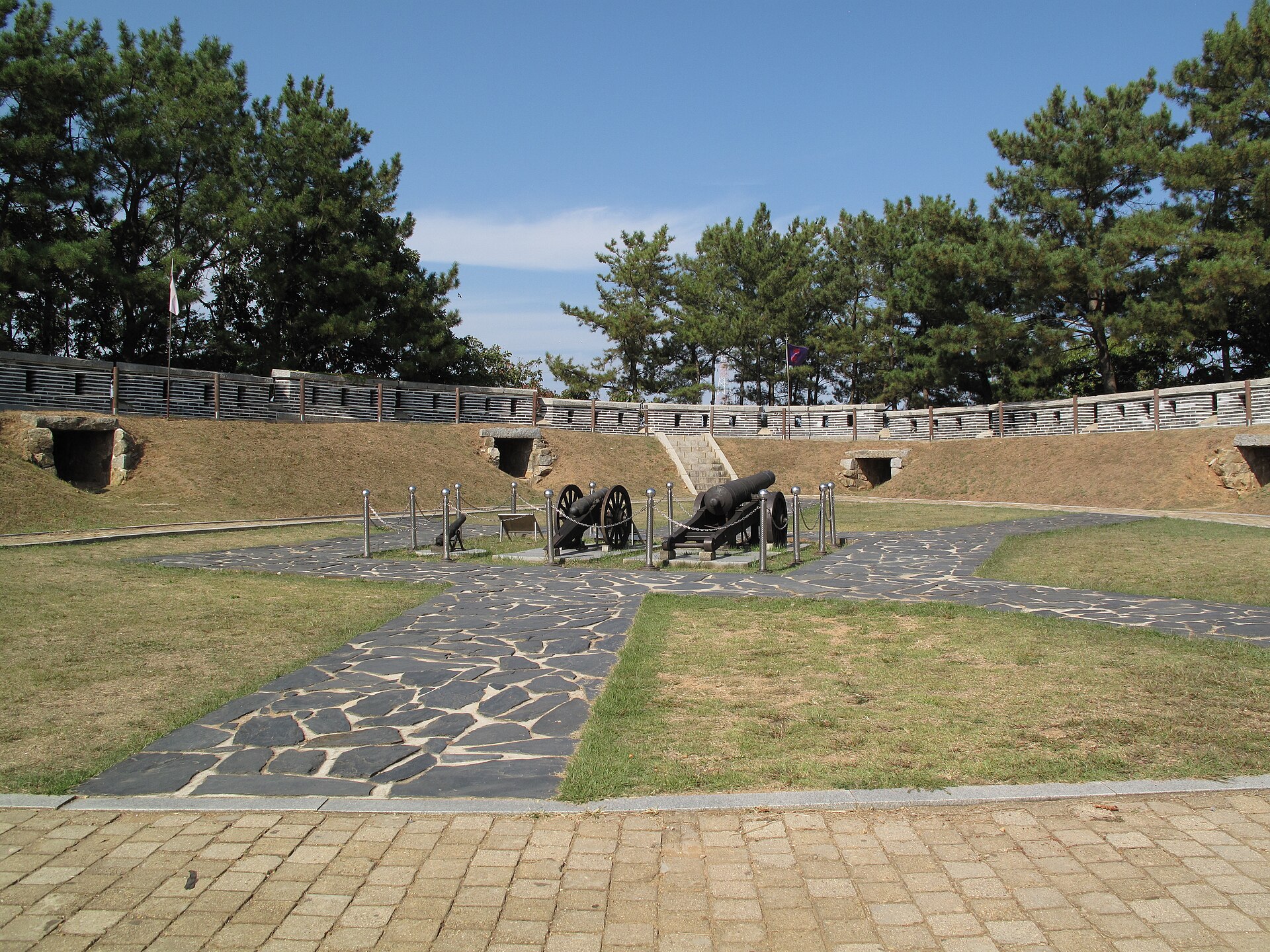
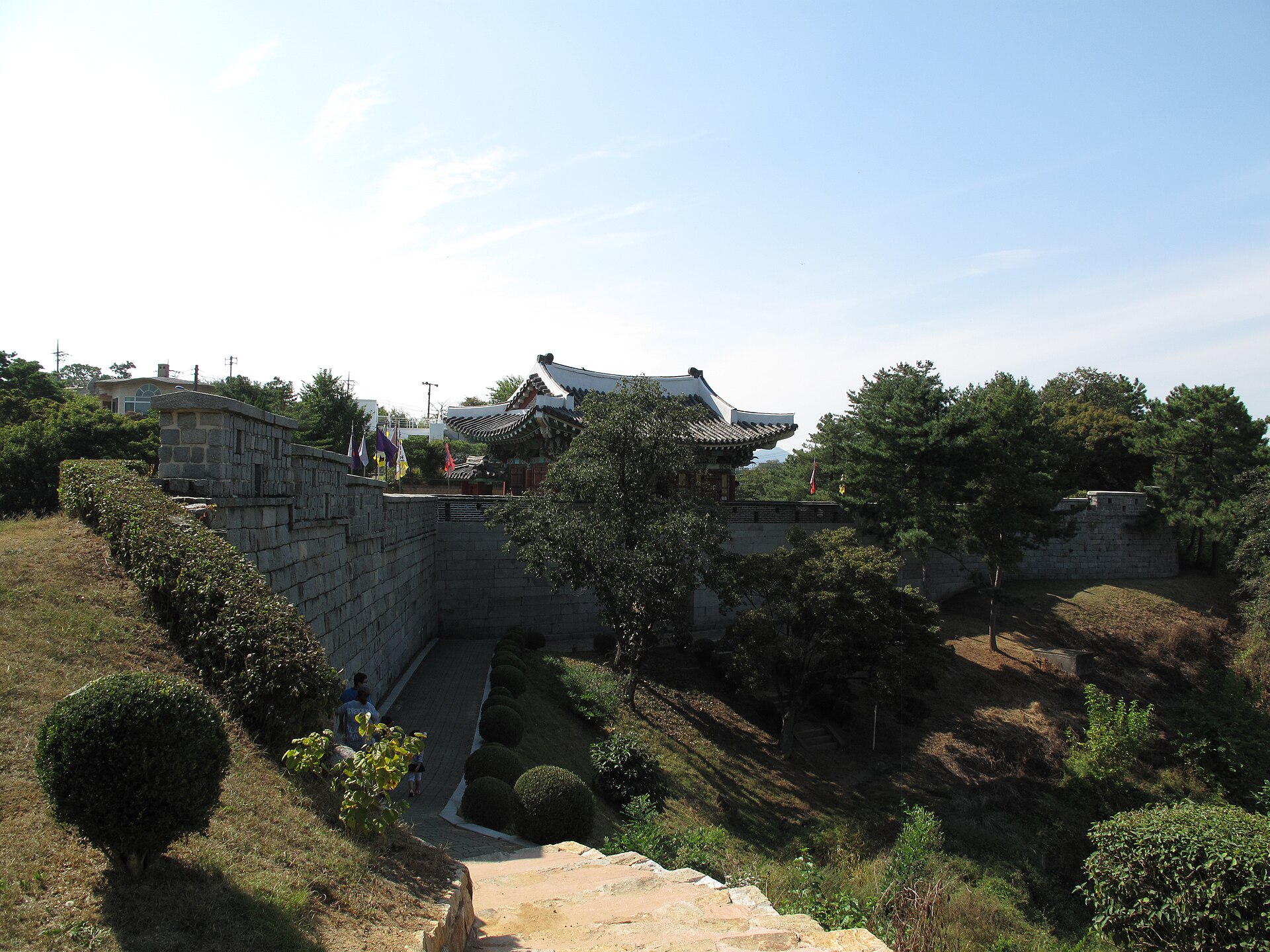
Where Korea's gunners faced American warships in 1871, ramparts, cannon and a fast tidal channel that decided battles.
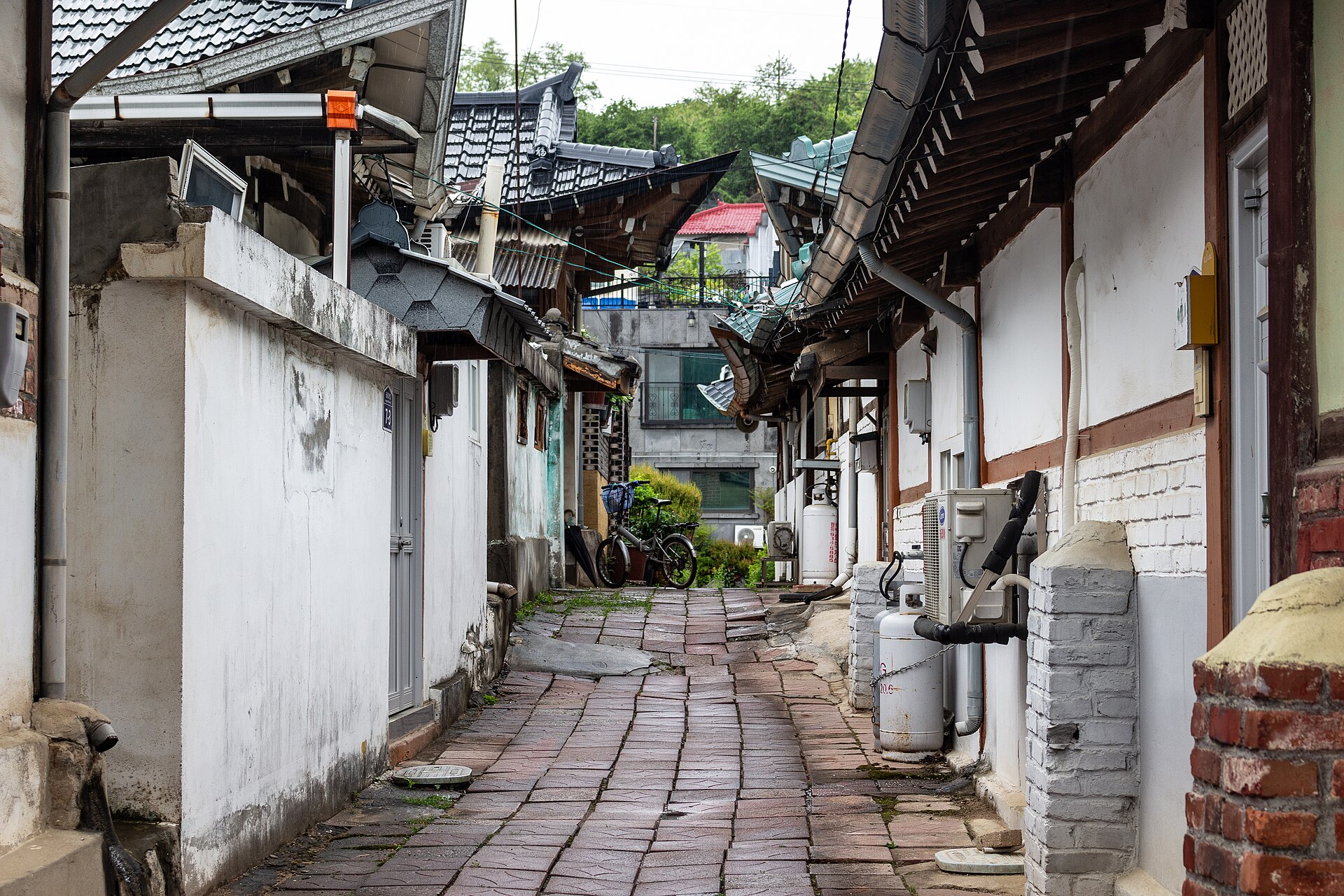
The old county seat: Goryeo palace site, a 1900 Anglican church built as a Korean temple, and lanes that smell of roasting ginseng.
Ganghwa's geography, a defensible island at the Han River's mouth, made it Korea's panic room for three thousand years. Each crisis left a layer, and the layers are the itinerary.
Chiefly tombs raised around 1000 BC, when moving fifty tonnes meant command of hundreds. The hills still hold dozens off every side road.
Fleeing the Mongols, the Goryeo court ruled from Ganghwa for 39 years, and carved the 80,000 woodblocks of the Tripitaka Koreana to pray the invaders away.
The straits' forts fought France and the United States within five years, battles that kept the 'hermit kingdom' closed a little longer. The restored ramparts face the same brown tide.
Seoulites drive here as much for lunch as for history: grilled eel houses line the southern shore, Ganghwa ginseng was once a royal tribute, and the island's vast tidal flats, part of Korea's UNESCO-listed mudflats, turn bronze at low tide, with sunset cafés arranged accordingly.
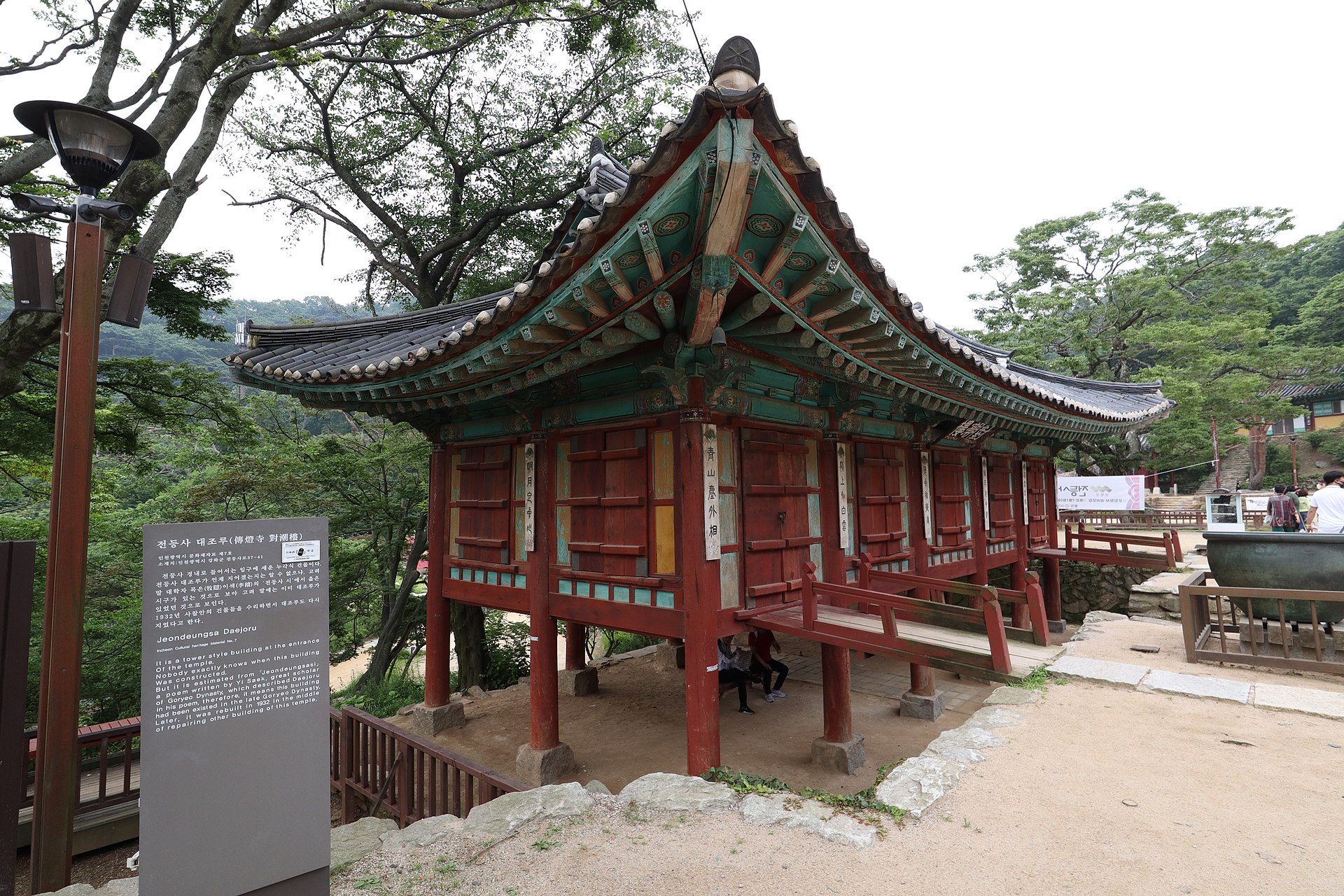
Jeondeungsa's tea house after the main halls, then west-coast mudflats for the last light: the island's gentlest one-two.
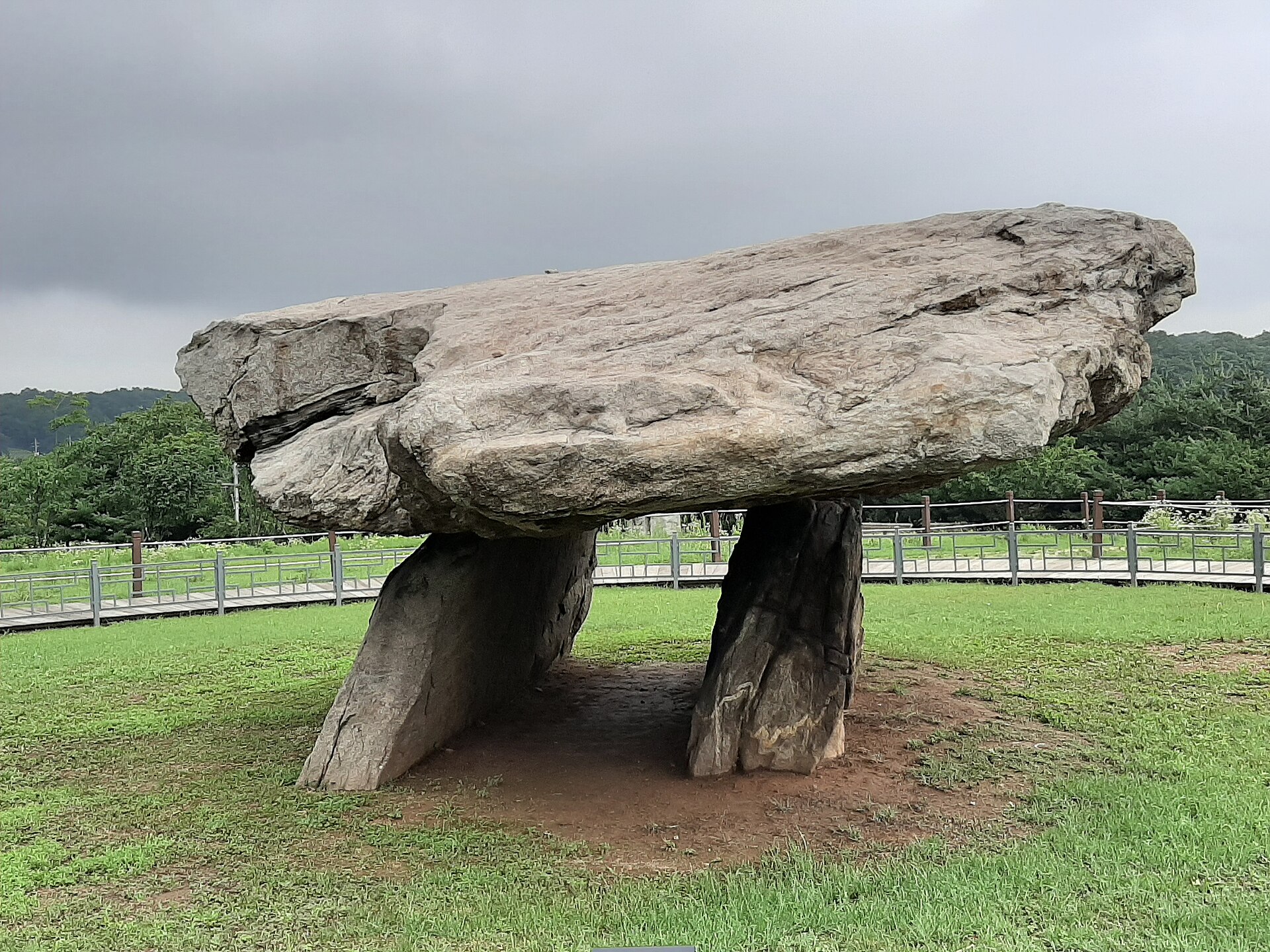
Beyond Bugeun-ri, clusters at Osang-ri and Gocheon-ri hide up lanes and hillsides, a treasure hunt with 3,000-year-old prizes.
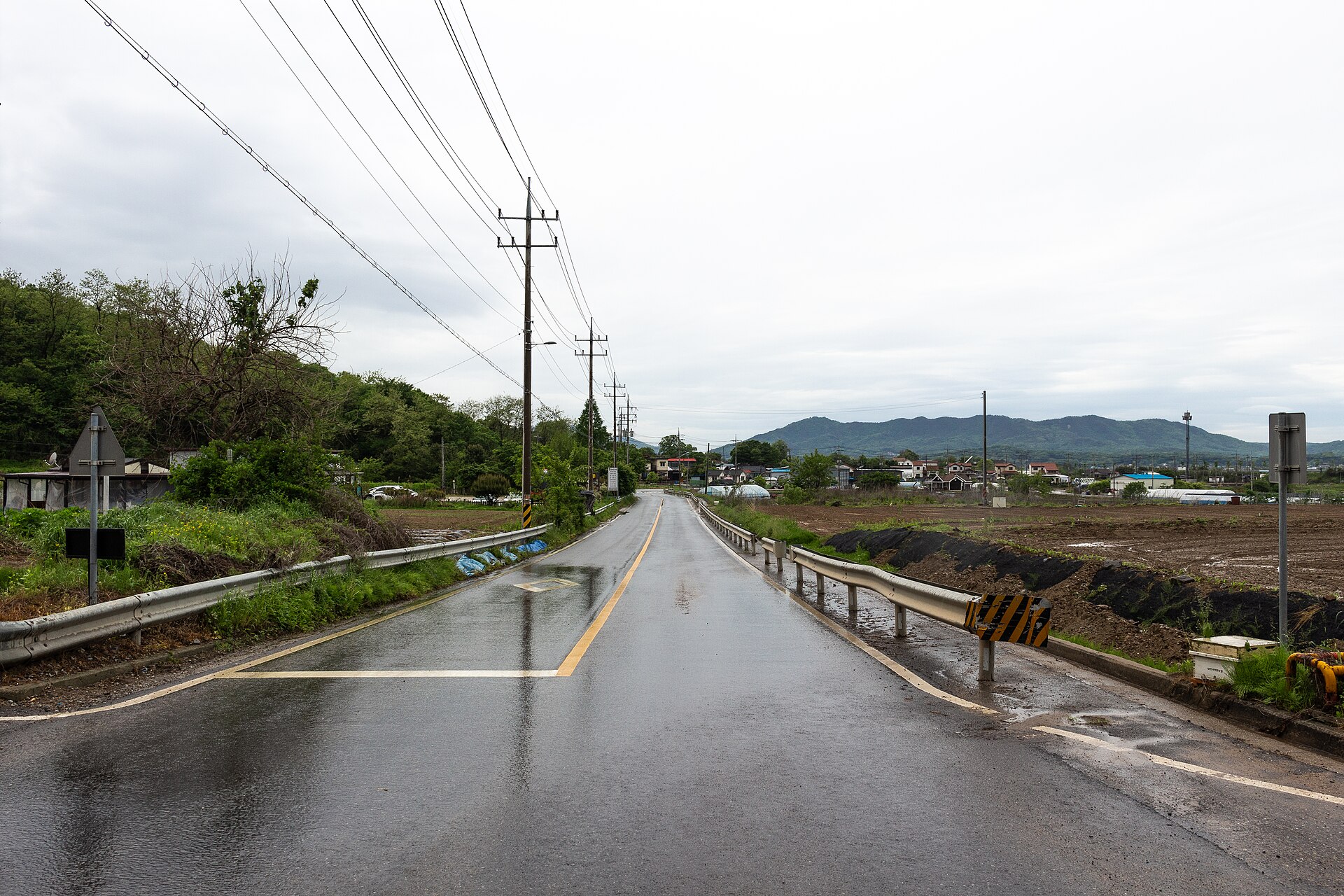
Between sights, the island is paddies, herons and roadside produce stands, Korea at provincial speed, 40 minutes from the megacity.
Most visitors day-trip from Seoul; staying flips the island quiet in your favour, pensions and hanok stays cluster near Ganghwa-eup and the southern shore, with eel dinner and a mudflat sunrise as the reward.
A practical guide to the Ganghwa to Seongmodo ferry: dock location, approximate crossing time, fares, schedules by season, and what to do once you land.
The 1876 Ganghwa Treaty ended Korea's isolation. A guide to the island's treaty-era sites, how to reach them, and why the story still matters.
A practical guide to Ganghwa Island's local food: turnip dishes, shrimp jeotgal, mudflat seafood, and where in the island's markets to find them.
A realistic one-day Ganghwa Island itinerary: dolmens, Jeondeungsa, mudflats and timing that respects distances and tides, not a fantasy schedule.
When to visit Ganghwa Island by season: tide windows, dolmen light, autumn foliage on Mani-san, and the months to avoid on the fog-prone north coast.
A factual comparison of sleeping on Ganghwa Island versus basing in Seoul: areas, prices, access by car or bus, and who should book ahead.
A practical guide to Ganghwa's getbol tidal flats: tide timing, viewing points, seasons for migratory birds, and what the UNESCO listing actually protects.
A practical guide to hiking Mani-san on Ganghwa Island, reaching Chamseongdan altar, with routes, timing, difficulty and transport notes.
Jeondeungsa sits within Samnangseong's earthen walls, a temple older than Goryeo. Hours, entry fees, the hike from the car park, and what to actually look for.
No car, no problem: how to reach Ganghwa Island from Seoul by public bus, what you can realistically see in a day, and where buses fall short.
A factual guide to the Bugeun-ri dolmen, Ganghwa's UNESCO megalith, with distances, transport notes, and nearby Bronze Age sites before dinner.
Dolmen, Goryeo town, temple, fortress sunset, the full circuit with buses, wheels and the eel lunch placed right.
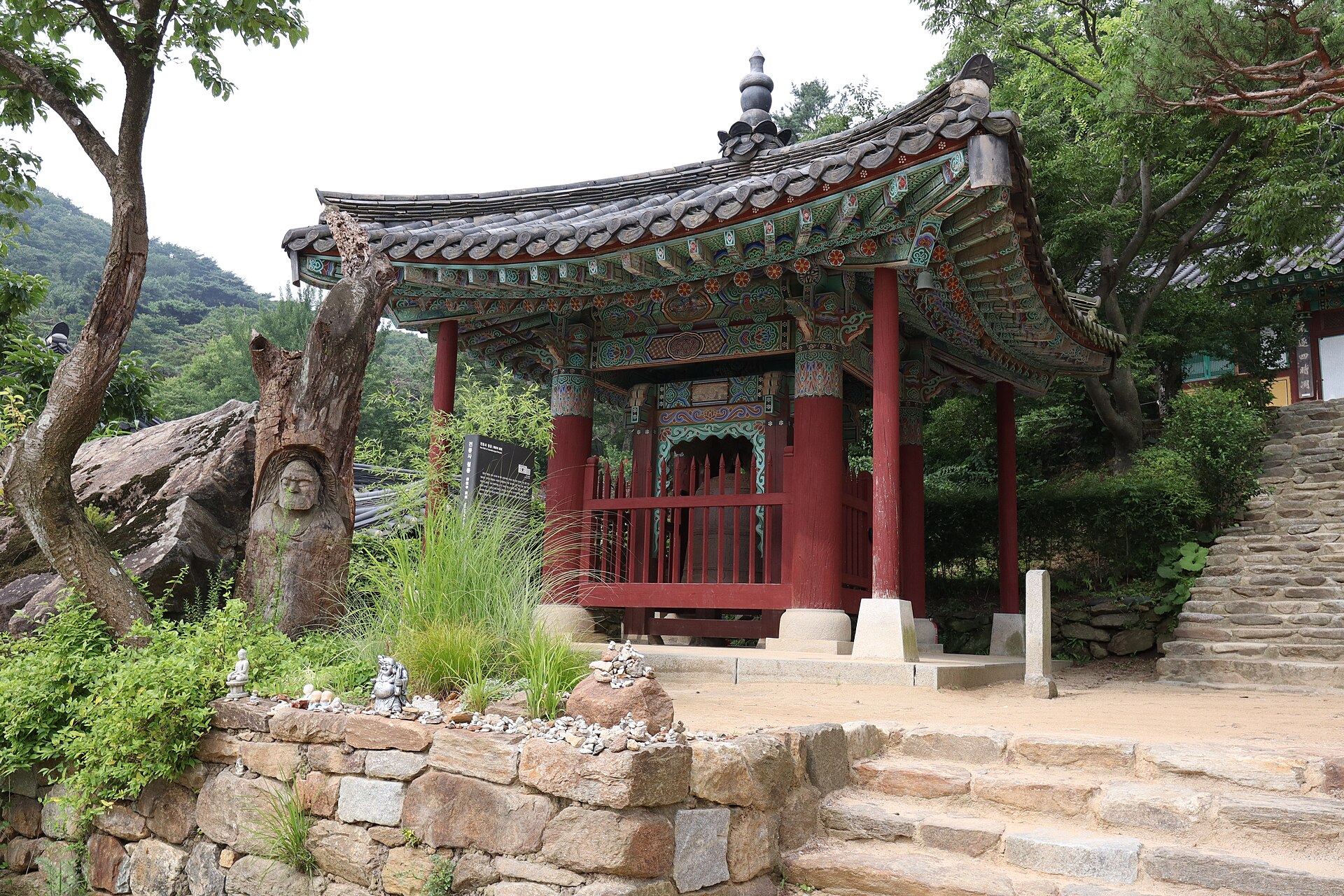
The fortress temple's legends, and why its carpenter carved a naked woman under the eaves.
When the US Navy stormed these ramparts, the forgotten battle that shaped Korea's opening.
Direct buses (3000 from Sinchon and others) in 1.5-2 h over the bridge, no ferry. On the island, rent a car or use taxis; local buses are sparse.
UNESCO dolmens, Dangun's altar on Mani-san, the Goryeo refuge capital (1232-1270), royal archives and the 19th-century gunboat battles, five eras on one island.
~150 Bronze Age tombs, UNESCO-listed with Hwasun and Gochang. Bugeun-ri's 50-tonne table dolmen is the icon.
Yes for the classic loop; a night adds Mani-san, the tidal flats and an unhurried eel dinner.
Grilled eel (the island signature), ginseng everything, turnip kimchi, and sunset coffee over the bronze mudflats.
Yes, from the island's northern observatories the DPRK shore lies across a narrow channel. Bring a passport for checkpoints near the northern coast road.