Ganghwa Island carries five historical eras close to the surface, and the most consequential for modern Korea may be the shortest: a few weeks in early 1876 when Japanese warships forced the signing of a treaty that ended centuries of deliberate isolation. The Ganghwa Treaty (Treaty of Ganghwa, or Treaty of Amity) was not negotiated between equals. It was dictated at anchor, in sight of the island's own forts, and it set the template for every unequal treaty Korea would sign over the following decades. Walking the river-facing bluffs today, past the same batteries that fired on foreign ships only a few years earlier, is the clearest way to understand why this one island absorbed so much of Korea's confrontation with the outside world.
Why the treaty happened here, not in Seoul
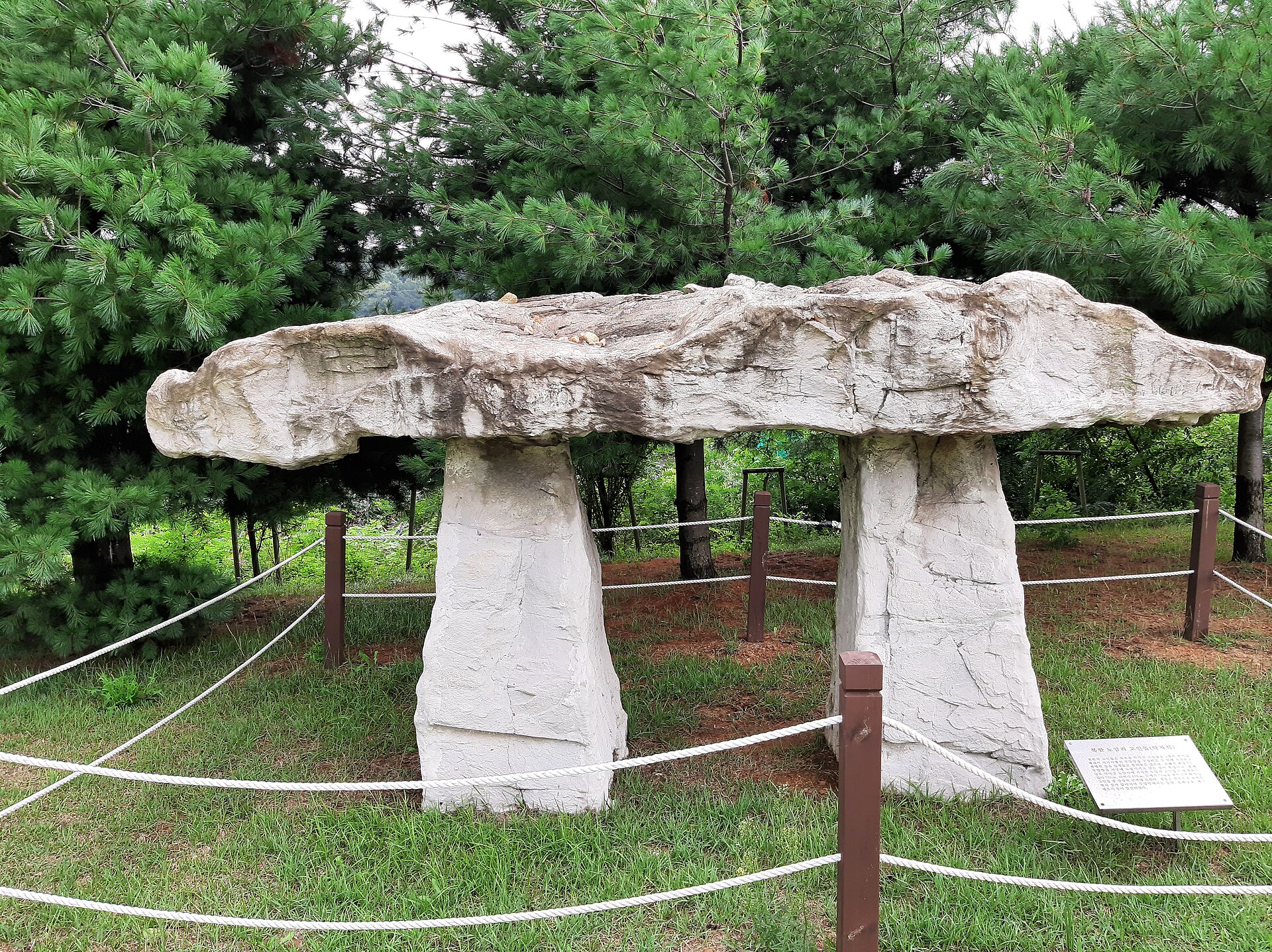
Ganghwa sits at the mouth of the Han River estuary, the water route that any fleet would need to reach the capital. That geography made it Korea's default front line for over a thousand years, and it explains why the island's dolmens, Goryeo-era refuge, and 1871 battles all cluster on the same stretch of coast as the 1876 treaty site. By the 1860s and 1870s, Ganghwa's forts and batteries had already clashed with French forces in 1866 and American forces in 1871, both of which tried and failed to force trade concessions. Japan, watching closely, sent a more deliberate provocation in September 1875: the gunboat Unyo approached Ganghwa's shore batteries, drew fire, and used the exchange as justification for a punitive mission and, soon after, treaty demands backed by a larger fleet.
The site today: Yeonmudang and the treaty hall
The treaty was signed in February 1876 at Yeonmudang, a military training hall inside the old Ganghwa town fortress area, on the site of what is now within the modern town. The original hall no longer stands as the 1876 structure; what visitors see today is a reconstructed building marking the location, with signage (Korean and partial English) explaining the sequence of talks. It is a modest, low-key site, more a plaque-and-courtyard stop than a dramatic monument, which can surprise visitors expecting a single large memorial. Budget 20 to 30 minutes here. There is no admission fee at the time of writing, but hours can shift seasonally, so check the day's schedule before building a tight itinerary around it.
The site sits within walking distance of Ganghwa's old town core, making it a natural add-on if you are already exploring the fortress walls or heading toward the fortress temple of Jeondeungsa, which predates the treaty era by many centuries but shares the same defensive landscape.
English-language interpretation is limited and sometimes faded. Downloading a short background summary before arriving, or reading a concise history page in advance, will get you more out of the visit than relying on posted signage alone.
The forts that fired first: Gwangseongbo and Choji
To understand the treaty, see the forts that preceded it. Gwangseongbo, on the island's southeast coast, was the site of the bloodiest fighting of the 1871 American expedition (the "Shinmiyangyo" battle), where Korean defenders held their position against overwhelming firepower and suffered heavy losses. Choji Fortress, a short drive north, shows battle-scarred stonework and cannon still facing the channel. Both sites are reachable by car or taxi from the treaty hall in 15 to 25 minutes, and both charge a small combined heritage admission, typically a few thousand won. Together they explain the stakes: by 1876, Korea's coastal defenses had already been tested twice and found insufficient against steam-powered gunboats, which is precisely the leverage Japan exploited.
Getting there without a car, and why you probably need one
Public buses reach central Ganghwa town from Seoul in roughly 90 minutes to two hours depending on the route and transfer, as covered in the practical bus day-trip guide. But the treaty-era sites (Yeonmudang, Gwangseongbo, Choji, and the earlier dolmen fields) are spread across the island's eastern and southern coast with limited connecting service between them. If you want to link treaty history with the forts in a single day, a rental car or a pre-booked driver saves hours of waiting at rural stops. The island's wider logistics, including which routes genuinely work without wheels, are laid out in the full day-trip planning guide.
What the treaty actually changed
The Ganghwa Treaty of 1876 opened three Korean ports to Japanese trade, granted Japanese nationals extraterritorial rights (meaning they answered to Japanese, not Korean, law while in Korea), and formally recognized Korea's independence from Qing China, largely to weaken Chinese influence rather than out of respect for Korean sovereignty. It was Korea's first modern treaty with a foreign power and the direct precedent for similar unequal treaties signed with the United States, Britain, and others over the next decade. Historians generally treat it as the opening chapter of Korea's difficult late nineteenth and early twentieth century, culminating in annexation by Japan in 1910. None of that weight is obvious from the quiet courtyard at Yeonmudang today, which is part of why visiting the fort sites alongside it matters: the treaty reads differently once you have stood where the shells actually landed five years earlier.
Planning the visit around the rest of the island
Most visitors pair the treaty and fort sites with other parts of Ganghwa's layered history rather than visiting them alone. A full day could reasonably combine Yeonmudang and Gwangseongbo in the morning, lunch in the old town (see the island's food guide for turnip and shrimp jeotgal specialties), and an afternoon at the dolmen fields or Jeondeungsa. Spring (April to May) and autumn (October to early November) offer the most comfortable walking conditions around the exposed fort ramparts; summer visits should start early to avoid midday heat with little shade along the coastal walls. For a structured route that sequences these stops efficiently, the one-day itinerary guide is the most useful starting point.